Matcha is everywhere these days, but how much do we actually know about the green stuff we’re drinking? We dropped by MOYA Matcha on Piwna Street in Gdańsk to meet Dawid, the café manager, and Dianna, the Gdańsk brand manager. We asked them a few questions about Japanese tea culture, why some people reckon matcha tastes like grass, what we’re all getting wrong and whether this green obsession is here to stay. Turns out, there’s a lot more to matcha than a pretty Instagram drink.
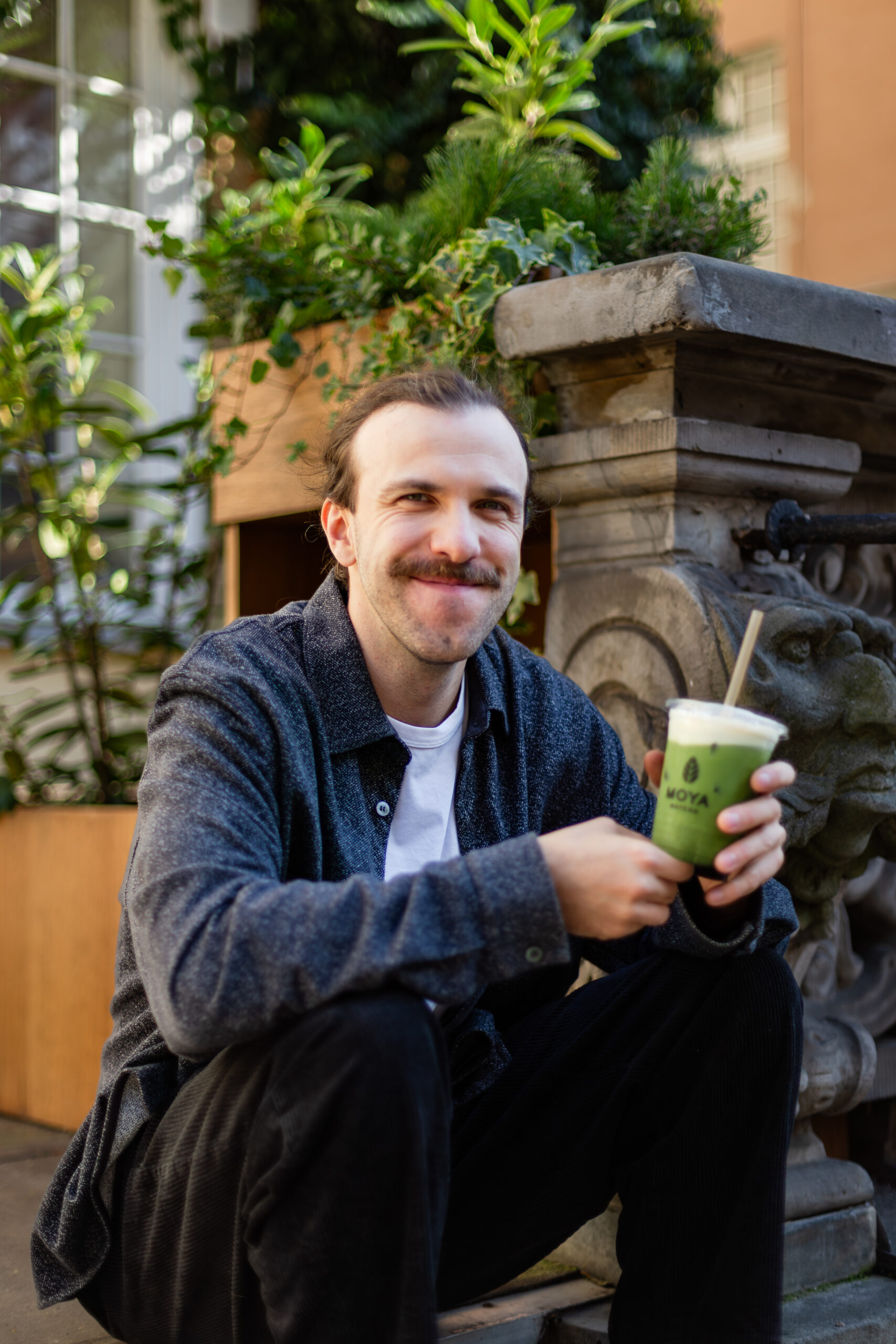

Ten years ago, most people in Poland barely knew what matcha was. Now it’s everywhere. Did you ever imagine the green powder would become this cool?
Honestly, I don’t think anyone could have predicted how quickly matcha would move from something relatively niche to a full-blown part of café culture in Poland. When MOYA started 11 years ago, matcha was still something people needed explained to them. Today you see it everywhere — in cafés, restaurants, bakeries, desserts and even corner stores. What’s exciting is that the conversation is moving beyond “matcha is trendy”. People are more interested in where the tea comes from, different cultivars, harvests and flavour profiles. We work with family farms in Uji and Kagoshima, and want people to discover that there’s a whole culture, craft and history behind it.
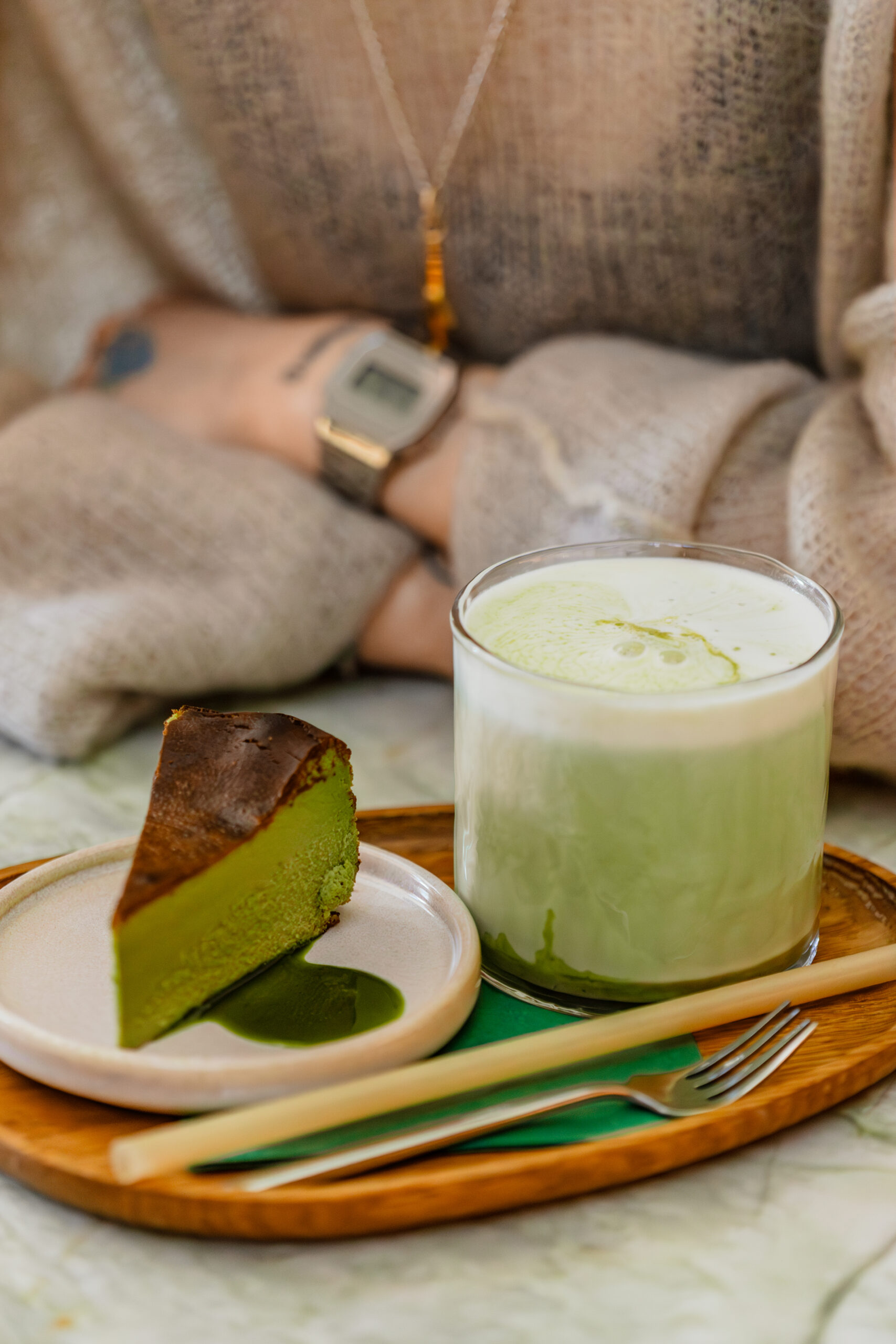
Be ruthless: what’s the biggest crime people commit against matcha?
Probably treating matcha purely as a flavour. We love experimenting — our menu is full of it — but the matcha should still be able to speak for itself. The biggest crimes are using boiling water, over-sweetening it, or adding so many other ingredients that you can’t taste the tea anymore. And please — don’t leave your matcha sitting around for half an hour. Drink it while it’s fresh. It deserves better.
Someone tells you: “I tried matcha once. It tasted like grass. I hate it.” What do you tell them?
You probably just haven’t found your matcha yet or you tried a low-grade one. Matcha can taste grassy, but it can also be creamy, sweet, nutty, umami-rich or much more delicate depending on the cultivar, origin, harvest and preparation. We don’t want matcha to feel intimidating — we can start with an iced drink or latte, and later introduce usucha or different cultivars. If you still don’t like it? No problem — we just want you to try a really good one.
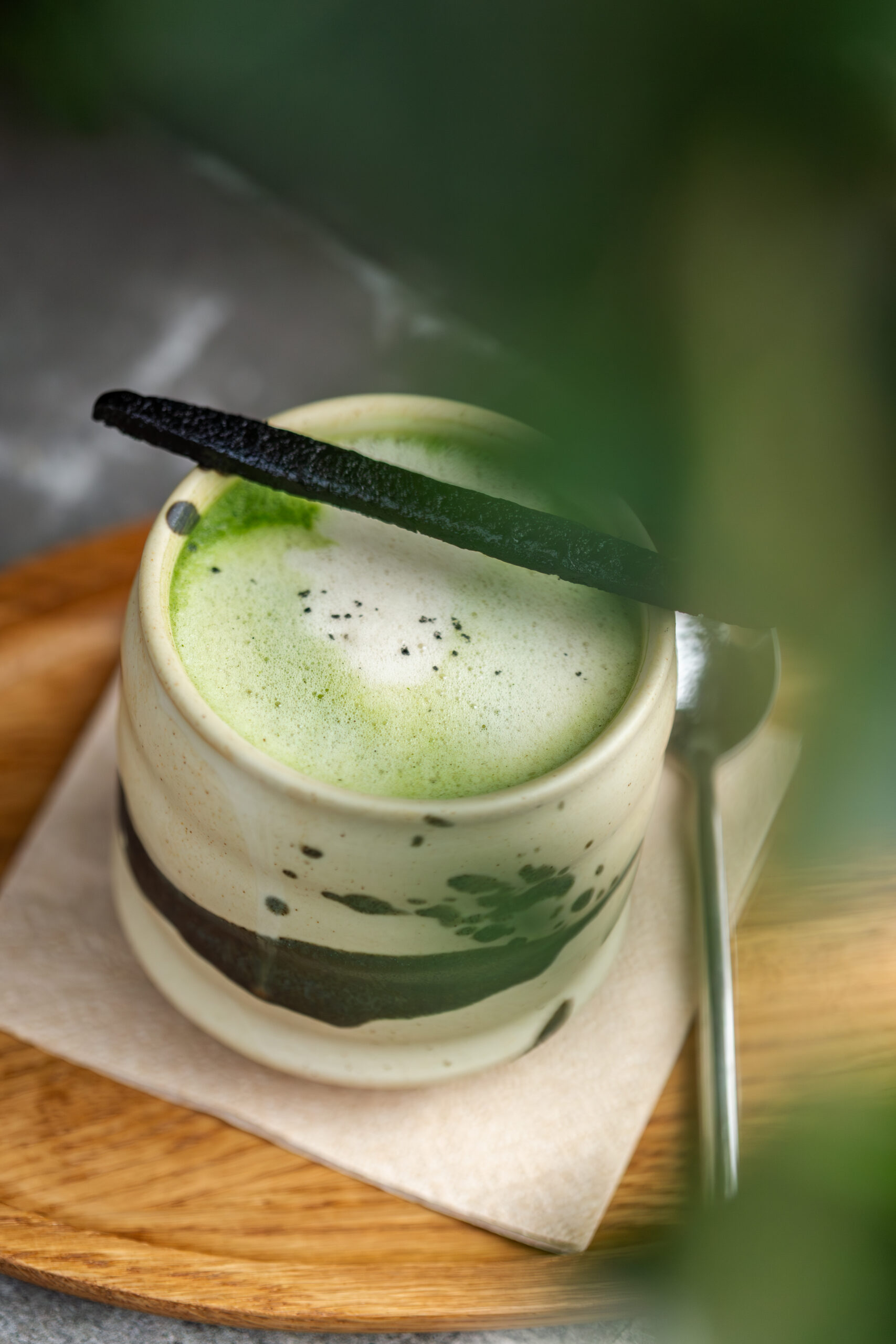
Moya sits between Japanese tradition and modern European café culture. What’s one part of Japanese tea culture you absolutely refuse to mess with?
The respect for the tea itself. We can play with formats, flavours and presentation, but there has to be respect for the tea’s origin, cultivar, harvest and the way it’s prepared. Matcha isn’t just a green powder that looks good in a cup. We want MOYA to be contemporary and accessible, but never disconnected from the craft behind Japanese tea. Tradition gives us the foundation, curiosity gives us room to play.
Someone gives you €1 million, but you have to create a matcha product so ridiculous that Japan might ban you from entering the country. What are you making?
A matcha perfume! An actual luxury fragrance that smells like freshly whisked matcha. Limited edition, hand-crafted bottles, Japanese tea ceremony-inspired packaging — the whole thing. Completely unnecessary, but I suspect people would buy it!
Photos by Dianna Wojciechowska
Looking at the menu right now: what’s the order you wish more people would take a chance on instead of automatically going for the obvious matcha latte?
I’d love more people to try usucha — our blend of three first-harvest cultivars. It gives a completely different experience from a flavoured latte and helps you understand why the quality matters. Of course, our seasonal drinks and desserts are also worth exploring!
What’s the most surprising reaction you’ve had from a first-time matcha drinker?
People are often surprised by how smooth and naturally sweet matcha can be. Many expect it to be bitter or intense, but with a good quality matcha, the flavour can be creamy, soft and really pleasant. We also get a lot of people who are surprised by how good they feel after drinking it — more focused and energised, without the crash you can get from coffee.
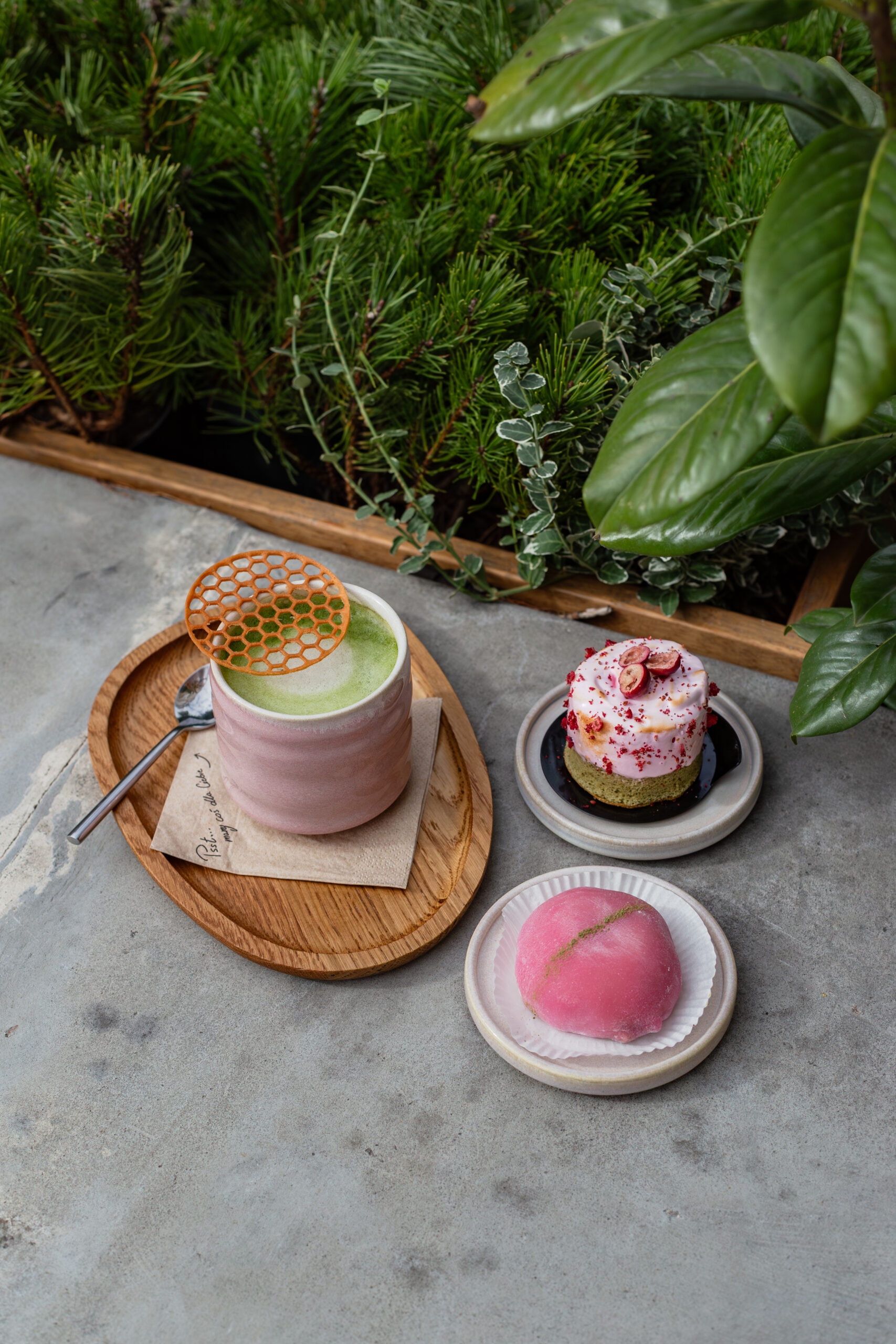
Do you have a personal favourite on the menu right now?
And why?
It’s hard to choose, but I always come back to usucha. It’s the purest expression of the tea — simple, honest and full of flavour. I also love our seasonal drinks because they let us be creative and show how versatile matcha can be. At the moment, the Lavender Matcha is a big favourite — it’s a fun, modern take that still lets the matcha shine.
Matcha is often linked to health, focus and a calmer mind. How important is that side of the story for you?
It’s definitely part of the appeal, but for us matcha is about much more than health benefits. We want people to enjoy it for the flavour, the experience and the culture behind it. The focus and natural energy are a great bonus, but at the end of the day, matcha should also just taste amazing and bring people together.
What’s next for MOYA in Gdańsk?
Any plans or dreams you can share with us?
We’d love to keep growing the community here — more workshops, special events and collaborations with local creatives. Gdańsk has such an inspiring energy, and we want MOYA to be a place where people not only come for a drink, but also to connect, learn and experience Japanese tea culture in a modern way. There are always new ideas in the pipeline!
Moya Matcha Gdańsk, Piwna 59
Maybe the best way to understand matcha is to stop treating it as a trend and taste the tea itself.